
February 26, 2026
Metal out, plastic in the cold-water distributor as the key to a successful metal replacement strategy
From Wagner AG's point of view, the new cold-water distributor for HB-Therm exemplifies what modern plastics technology can achieve today. In close development cooperation with HB-Therm AG in St. Gallen, the company and its customer have succeeded in completely rethinking a central functional component of the Thermo-6 generation of temperature control units – and in doing so, completely replacing brass with a high-performance plastic.
As is so often the case, the starting point was that the previous brass cold water distributor was functionally reliable but costly to manufacture. CNC post-processing, multiple individual components, and high material usage determined the component price. HB-Therm therefore specifically sought a partner who not only understood plastics and metal, but who could also redesign the entire component, including the mounting elements, considering the high requirements for pressure tightness and temperature resistance. Wagner AG was convinced: the distributor could be realized as a highly integrated, one-piece plastic component – ready to use straight from the mold.
Plastic as an enabler for function and integration
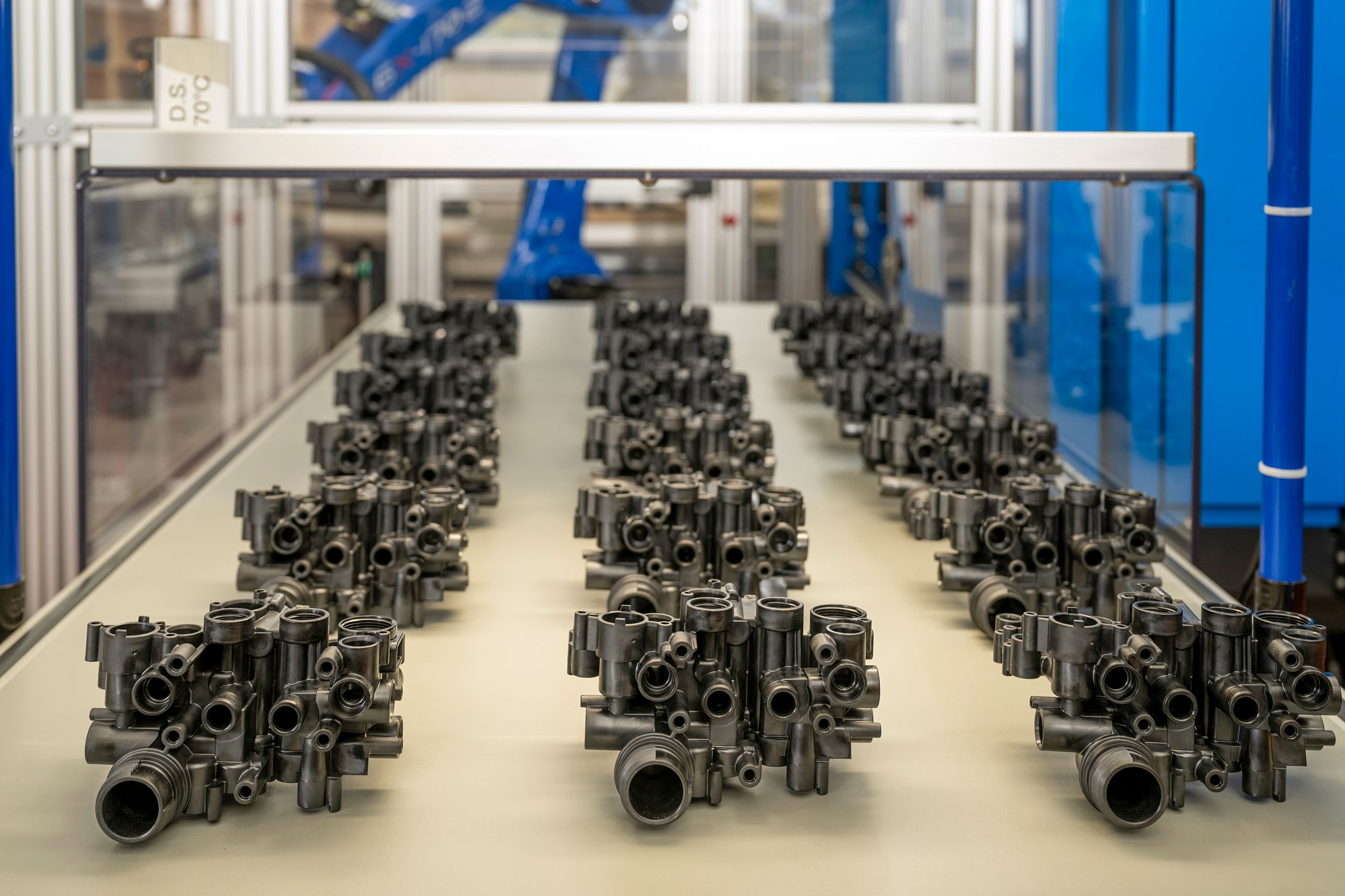
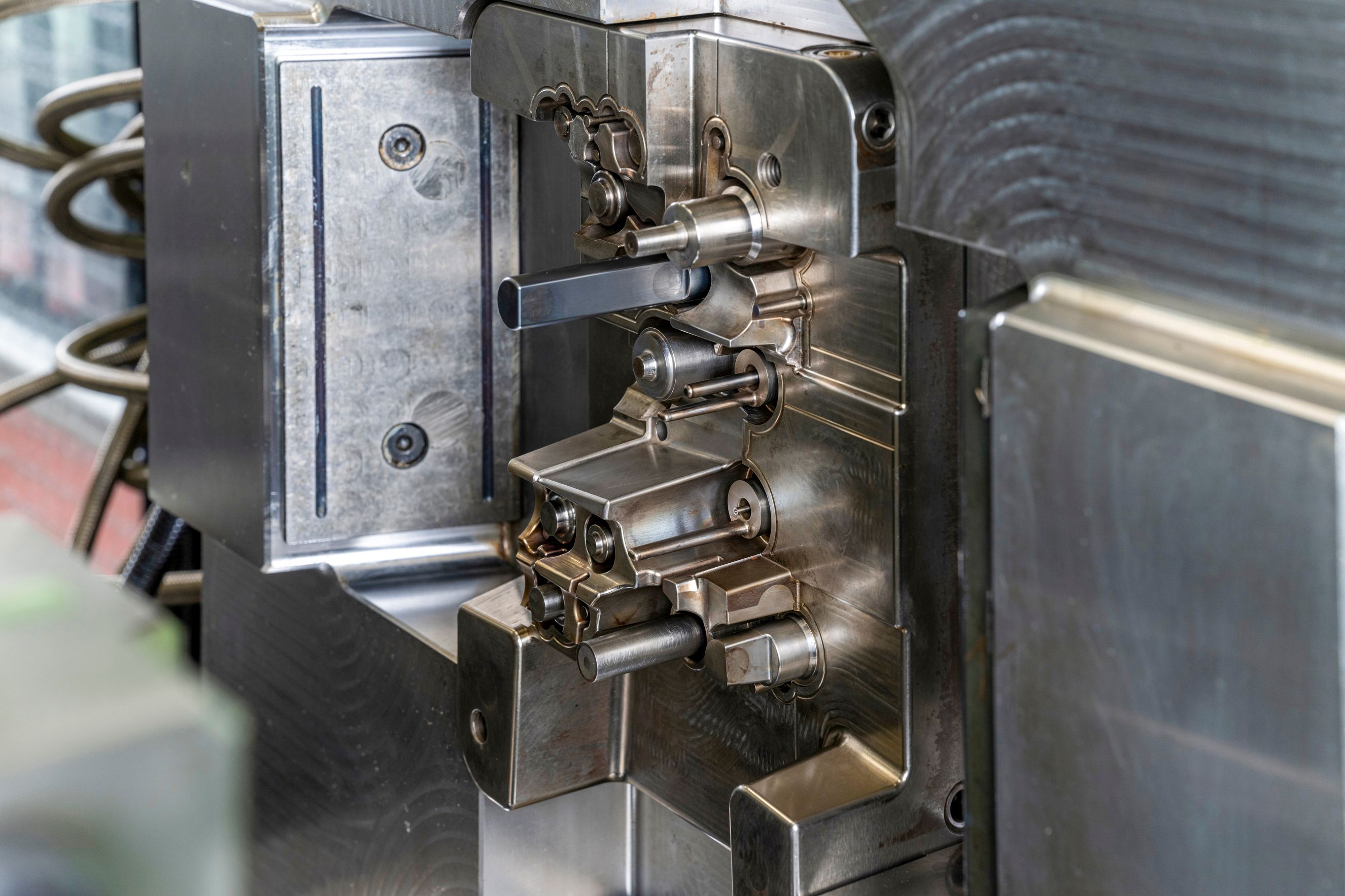
The cooling water module was redesigned from scratch in a joint effort. The new design integrates all channels, holes, sealing surfaces, and threads directly into the injection-molded part. A fiber-reinforced high-performance plastic is used that meets both mechanical and thermal requirements. Extensive FEM simulations, burst pressure, long-term, and CT tests accompanied the development process.
The result is a highly complex component with 57 holes, manufactured in a single tool. Where metalworking used to dominate, today a functionally integrated plastic module is created—with reproducible quality and significantly reduced complexity in the supply chain.
Striking advantages over the brass predecessor
From Wagner AG's point of view, the advantages of the plastic cold water distributor are clear and measurable. The material substitution leads to a significant reduction in weight. At the same time, almost all mechanical post-processing steps are eliminated. Overall, this results in savings of approximately 80% in manufacturing costs.
The plastic component also offers clear advantages in terms of assembly and process technology. Pre-formed internal and external threads, integrated O-ring seats, and an optimized plug-in system reduce assembly time by more than 20 minutes per device. For HB-Therm, which consistently produces according to lean principles, this is a key factor.
Last but not least, the change in material contributes to sustainability. The significantly lower energy and resource requirements reduce CO₂ emissions per device from around 15–20 kg to around 2–3 kg. Extrapolated to five-digit quantities, this results in substantial ecological added value.
Metal replacement as a living strategy
For Wagner AG, the cold water distribution project is a prime example of a successful metal replacement strategy. Here, plastic is not used as a “second-choice substitute,” but as a constructive enabler for function, integration, and cost-effectiveness. The early, collaborative partnership with HB-Therm was decisive in this regard—from the concept phase to prototypes to series production from a single source.
The project impressively demonstrates the potential of the targeted use of engineering plastics. And it makes it clear that when material, design, and process are considered together, solutions are created that are not only equal to their metal predecessors, but clearly surpass them.